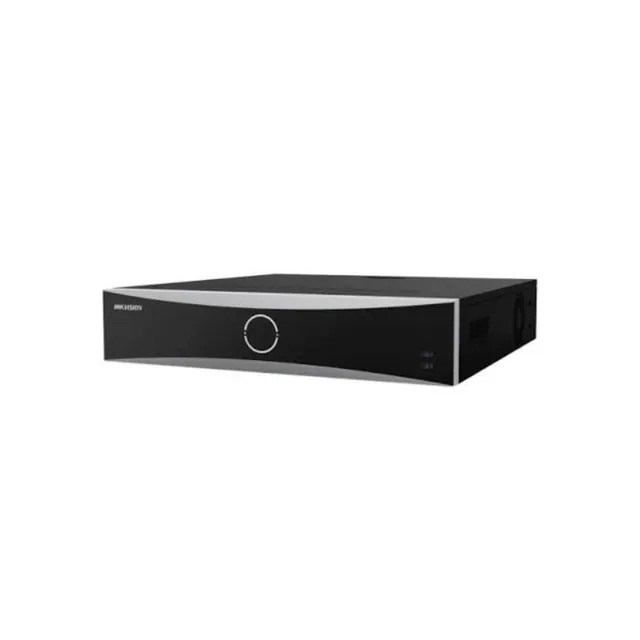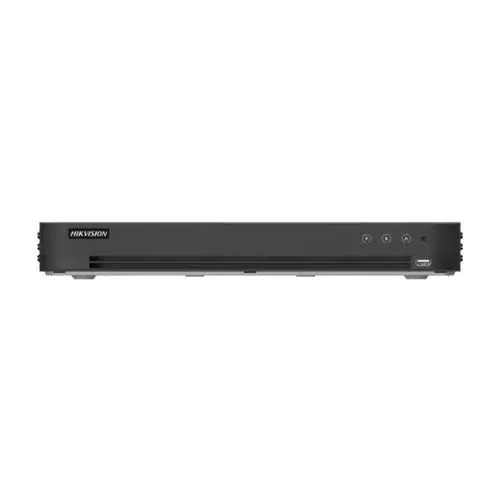

How Many Channels Does Your CCTV Recorder Need?
Quick answer
Buying a 4-channel recorder for four cameras looks economical — until you need a fifth. Here is how to size channels sensibly.
By ITvein TeamPublished Updated 2 min read
Each camera connects to one channel on the recorder. Recorders come in 4, 8, 16, 32 channels and above. Choosing the right size saves you from replacing the recorder later.
Step 1: Count the cameras you need now
List every point you want covered (see the site survey checklist). Typical starting points:
- Small home: 4 cameras
- Larger home or home with a shop: 6–8 cameras
- Shop or small office: 4–8 cameras
- Office floor or school wing: 8–16 cameras
- Warehouse or factory: 16–32+ cameras
Step 2: Add room to grow
A good rule is to leave at least 25–50% spare channels. Families add a camera for the roof, shops expand into a stock room, offices add a floor. If you need 5 cameras today, an 8-channel recorder is the sensible choice; if you need 8, consider whether 16 makes sense.
The price difference between neighbouring sizes is usually much smaller than the cost of replacing a recorder later.
Step 3: Check the recorder can handle your cameras
Channel count isn't the whole story:
- Resolution: an 8-channel recorder might support 4MP on every channel or 8MP on only some. Check the datasheet.
- Bandwidth (NVR): the incoming bandwidth must cover all cameras. For example, 8 cameras at 6 Mbps need 48 Mbps.
- PoE ports (NVR): an 8-channel PoE NVR usually has 8 PoE ports; a 16-channel unit may have 8 or 16. You can add a PoE switch for extra cameras.
- Hybrid (XVR): check how many analog and how many IP channels are available.
Step 4: Consider hard drive bays
Bigger systems need more storage. 4- and 8-channel recorders usually have one drive bay; larger ones have two or more. See how to calculate CCTV storage.
When to use two recorders
Very large or spread-out sites sometimes use two recorders, for example one per building, managed together in the same app or central management software. This also limits the impact if one recorder fails.
Example plans
| Need today | Suggested recorder |
|---|---|
| 3–4 cameras, unlikely to grow | 4-channel |
| 4–6 cameras | 8-channel |
| 8 cameras | 8 or 16-channel |
| 10–14 cameras | 16-channel |
| 20+ cameras | 32-channel or two recorders |
If you want a ready-made combination, look at our CCTV packages or read how to choose a CCTV package.
Frequently asked questions
Can I connect more cameras than the recorder's channels?
No. Each camera uses a channel. You would need a larger recorder or a second recorder.
Is a 4-channel recorder enough for a house?
For a small house with four cameras that won't expand, yes. Most families find an 8-channel recorder more future-proof.
Do unused channels slow the recorder down?
No. Unused channels simply stay empty until you add cameras.
Want advice for your own site?
Send photos and your requirements — we reply with an itemised quotation.