
DIY vs Professional CCTV Installation: What Should You Choose?
Quick answer
Wi-Fi cameras are easy to install yourself. Wired systems with many cameras benefit from professional installation. Here is how to decide.
By ITvein TeamPublished Updated 2 min read
Many people can mount a camera and plug it in. Fewer enjoy pulling cable through ceilings, drilling exterior walls at height and configuring a recorder. Here is an honest look at both options.
When DIY makes sense
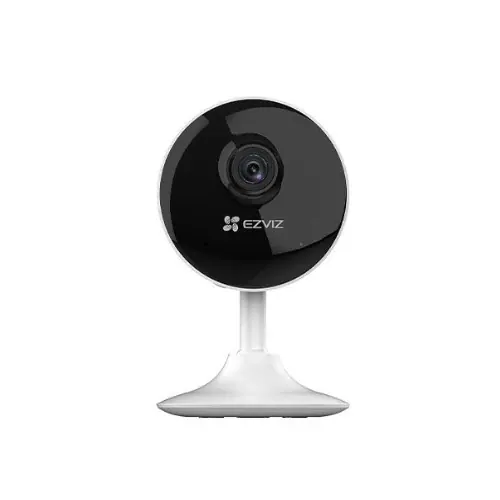
- One to four Wi-Fi smart cameras in a home or small shop.
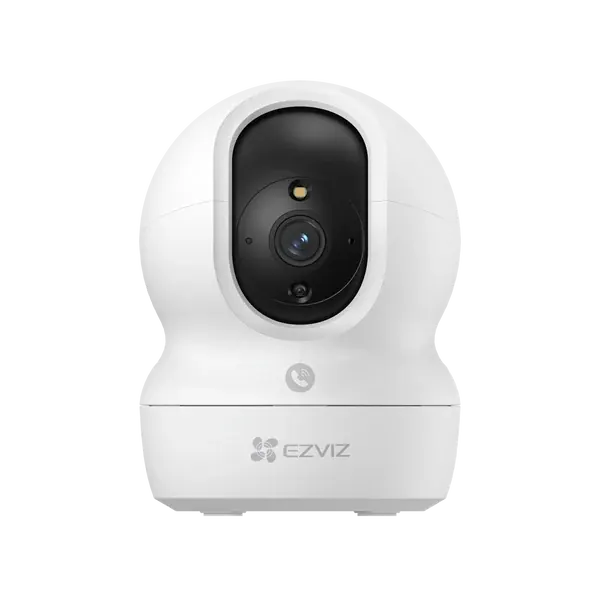
- Indoor pan-tilt cameras on a shelf or wall.
- Battery or solar cameras on reachable walls.
- You are comfortable with a drill, a ladder and phone apps.
The main tasks are mounting, connecting to Wi-Fi, inserting a microSD card and setting up the app. See Wi-Fi vs wired CCTV.
When professional installation pays off
- Wired systems with several cameras and a recorder.
- Outdoor cameras at height, especially on double-storey houses.
- Cable runs through walls, ceilings and conduit.
- Commercial sites with multiple areas, networks and users.
- Long distances, multiple buildings or PoE power budgets.
A professional installer brings the right tools (cable testers, ladders, crimpers), experience with mounting angles and night views, and a tidy finish.
Hidden costs of DIY
- Buying the wrong cable, connectors or brackets and making extra trips.
- Poor connector crimping causing intermittent faults.
- Cameras mounted too high or at the wrong angle.
- Time spent configuring recording, motion zones and remote viewing.
- Safety risk working at height.
What a proper installation should include
- Site survey and agreed camera positions. See site survey checklist.
- Neat cable routing with conduit/trunking where needed.
- Weather-protected outdoor connections.
- Recorder setup: hard drive, recording mode, time and date, overwrite.
- Night-time check of every camera.
- Mobile app setup on the owner's phone.
- Basic training: playback, exporting clips, sharing access.
- A handover list of models, serial numbers and passwords (handed to the owner, not kept by the installer).
Questions to ask an installer
- Which models are included, and what is the resolution and lens of each?
- What cable type and how many metres are included?
- Is power backup included?
- How will remote viewing be set up?
- Who keeps the admin password? (It should be you.)
Compare quotations line by line with how to compare CCTV quotations.
Our service
ITvein provides CCTV installation in Lahore, Islamabad, Rawalpindi, Karachi, Faisalabad, Gujranwala, Peshawar, Multan and Sialkot, and delivers products across Pakistan for customers who prefer to install themselves.
Frequently asked questions
Can I buy cameras online and have someone else install them?
Yes. Many customers buy products for delivery and use a local electrician or installer. Make sure the installer is familiar with the brand's recorder and app.
Is it difficult to set up a DVR myself?
Basic setup is guided by on-screen wizards. Fine-tuning recording schedules, motion zones and remote viewing takes more time and experience.
Do I need an electrician for CCTV?
For PoE or low-voltage camera wiring, a CCTV installer is usually enough. If new power points are needed, use a qualified electrician for that part.
Want advice for your own site?
Send photos and your requirements — we reply with an itemised quotation.